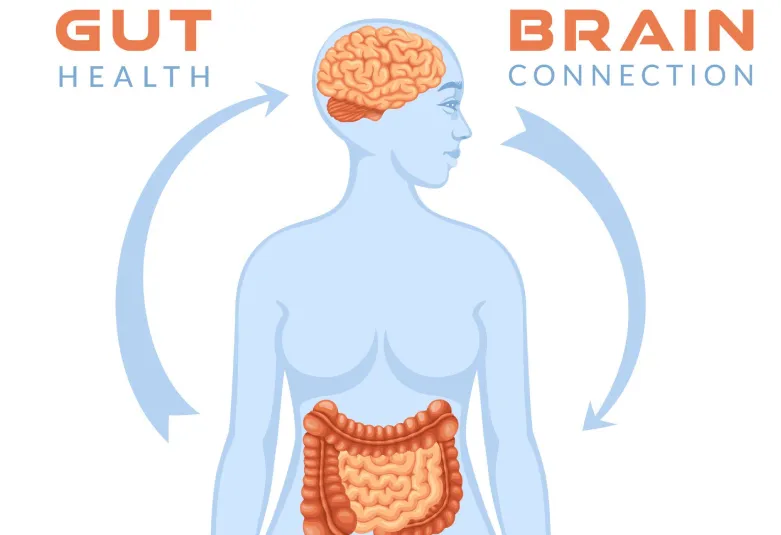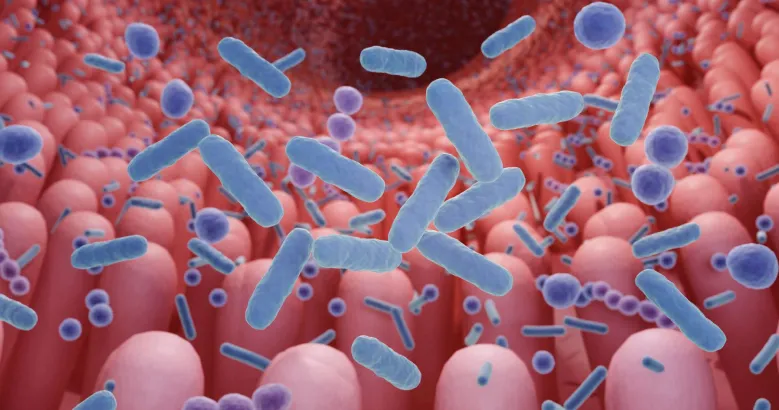
Most people think of gut health in purely digestive terms — bloating, constipation, diarrhoea, and stomach pain. But the gut microbiome influences virtually every system in the body, from the brain and immune system to the skin, hormones, and metabolism. This means that when your gut microbiome is out of balance, the signs often appear in places and ways you would never associate with your digestive system.
Gut dysbiosis — the technical term for microbial imbalance — affects an estimated majority of adults to some degree in populations following modern Western dietary patterns. Yet most people experiencing its consequences have never been told that their gut is the root cause of their struggles. Here are ten hidden signs that your gut microbiome may need attention.
As discussed extensively in gut-brain axis research, your gut produces 90 to 95 percent of your serotonin and significant quantities of GABA, dopamine precursors, and other neurochemicals. When gut dysbiosis depletes the bacteria responsible for this neurochemical production, mood disturbances follow — often without any clear psychological trigger that would explain them.
The gut is the headquarters of the immune system. When microbial diversity is low and beneficial bacteria are depleted, immune education and regulation are impaired. The result is reduced resistance to respiratory infections, slower recovery times, and an immune system that is simultaneously less effective against pathogens and more prone to over-reactive responses.
The gut-skin axis is well established in dermatological research. Gut dysbiosis drives skin inflammation through increased intestinal permeability allowing bacterial endotoxins to enter the bloodstream, elevated systemic inflammatory cytokines reaching the skin, and disrupted oestrogen metabolism influencing hormonal skin conditions. Eczema, psoriasis, acne, and chronic urticaria are all associated with specific gut microbiome imbalances.
Gut bacteria directly influence metabolism by determining how many calories are extracted from food, regulating satiety hormones including leptin and GLP-1, modulating insulin sensitivity, and producing short-chain fatty acids that regulate fat storage. Dysbiotic microbiomes are consistently associated with obesity and weight loss resistance in research studies — metabolic consequences of microbial imbalance that caloric restriction alone cannot overcome.
Brain fog — mental cloudiness, poor concentration, slow processing, and forgetfulness — is one of the most commonly reported consequences of significant gut dysbiosis. The mechanisms include neuroinflammation driven by gut-derived bacterial endotoxins, reduced production of BDNF from gut-derived butyrate deficiency, impaired neurotransmitter precursor production, and disrupted sleep quality from altered serotonin-melatonin production
Gut bacteria produce B vitamins, vitamin K, and short-chain fatty acids that are critical for cellular energy production. Dysbiosis that depletes these microbial nutrient producers impairs mitochondrial function and reduces the metabolic substrate available for energy. Additionally, the systemic inflammation of significant gut dysbiosis activates the sickness behaviour response — the neurological fatigue programme that the immune system uses to promote rest during illness — generating the persistent fatigue that many dysbiosis patients experience.
Healthy gut barrier function requires abundant beneficial bacteria producing the short-chain fatty acids — particularly butyrate — that maintain tight junction integrity in the intestinal epithelium. When dysbiosis reduces butyrate production, gut permeability increases, allowing incompletely digested food proteins to enter the bloodstream and trigger IgG immune responses. This is how gut dysbiosis progressively generates new food sensitivities — each new sensitivity is evidence of ongoing barrier compromise driven by microbial imbalance.
The gut microbiome regulates oestrogen through the estrobolome — the collection of bacterial genes metabolising oestrogen in the gut. Dysbiosis disrupting the estrobolome alters circulating oestrogen levels, contributing to oestrogen dominance, PMS symptoms, PCOS, and hormonal skin and mood changes in women. In men, gut-driven systemic inflammation directly suppresses testosterone production.
Gut dysbiosis drives systemic inflammation through multiple pathways that deposit inflammatory mediators in joints and connective tissues. Research has found specific gut microbiome signatures in rheumatoid arthritis, psoriatic arthritis, and ankylosing spondylitis, suggesting that microbial imbalance is not merely associated with these conditions but may actively drive their inflammatory mechanisms.
The gut microbiome influences sleep through serotonin-melatonin production, cortisol rhythm regulation, and systemic inflammatory tone. Gut dysbiosis that impairs serotonin production reduces the substrate for melatonin synthesis, disrupting sleep onset. Gut-driven neuroinflammation impairs the quality of deep sleep stages. Many individuals with chronic sleep difficulties find significant improvements when their gut microbiome is restored — a connection their healthcare providers have rarely made.
If several of these patterns resonate with your experience, comprehensive gut microbiome testing provides the objective biological data needed to understand exactly which microbial imbalances are present and how severe the dysbiosis is. This testing identifies specific bacterial populations, microbial diversity scores, inflammatory markers, and intestinal permeability indicators — the complete biological picture required to design a targeted restoration protocol.
Gut dysbiosis rarely announces itself through digestive symptoms alone. Its effects are systemic, subtle, and frequently mistaken for separate conditions requiring separate treatments. Recognising these ten hidden signs and connecting them to a common biological root is the first step toward addressing the actual cause — and experiencing the health transformation that comprehensive gut microbiome restoration can produce.
Written by: Dr. Bakshi's Advance Diagnostics Team
Reviewed by: Certified Health Experts
Published: April 2026
This article is written and reviewed by the expert team at Dr. Bakshi's Advance Diagnostics, specializing in advanced diagnostic testing including gut health, food intolerance, and genetic testing.