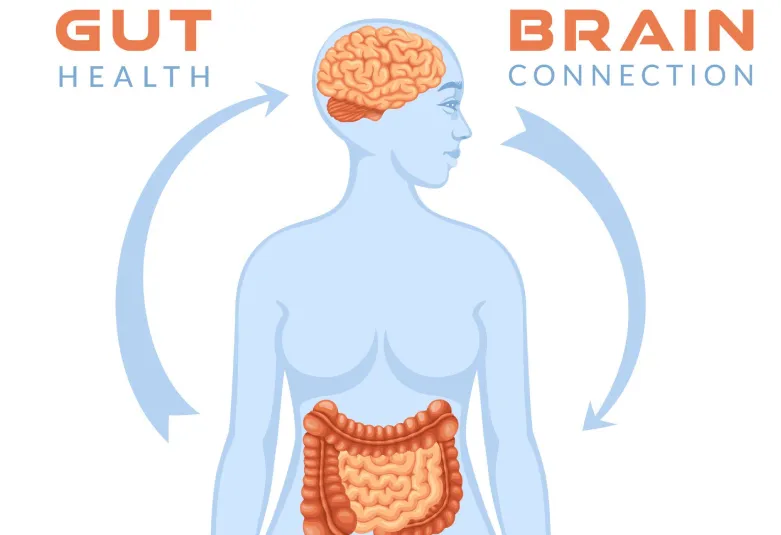
You eat a meal, and an hour later your mood crashes. You feel anxious before a big presentation and immediately need the bathroom. You take antibiotics for a week and find yourself feeling low and foggy for weeks afterwards. These are not coincidences. They are the gut-brain axis in action, and science is finally catching up to what many people have felt for years: your gut and your brain are in constant, bidirectional conversation.
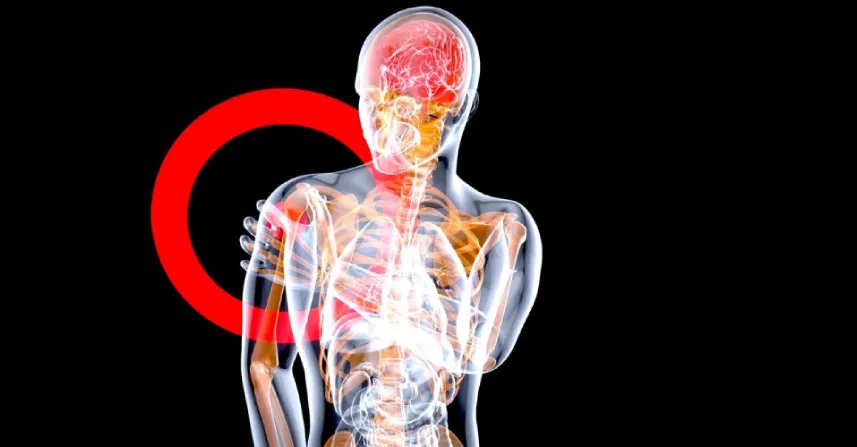
The gut-brain axis is the communication network that links the gastrointestinal system with the central nervous system. This network operates through multiple channels simultaneously: the vagus nerve, which carries signals directly between the gut and the brain; the enteric nervous system, sometimes called the second brain, which contains over 500 million neurons embedded in the gut lining; the immune system, which is 70 to 80 percent gut-based; and neurotransmitters and hormones produced in the gut that enter the bloodstream and influence brain chemistry.
What makes this axis remarkable is that communication flows predominantly from gut to brain, not the other way around. Approximately 90 percent of vagal fibres carry information upward from gut to brain, meaning your digestive system is continuously influencing your mental state, often without your awareness.
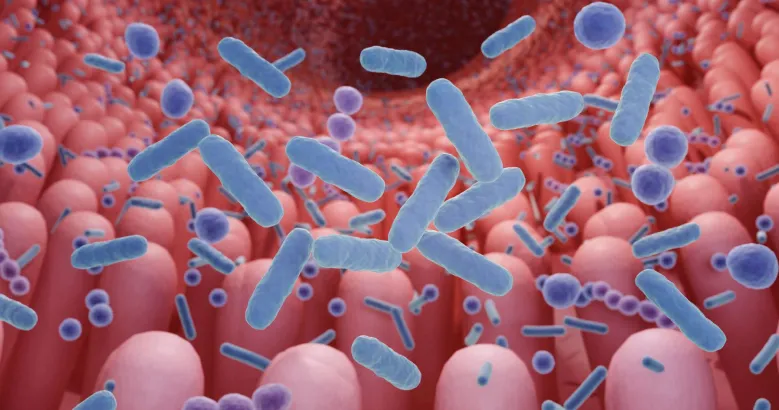
At the centre of the gut-brain relationship is the Gut Microbiome Test.the community of approximately 38 trillion bacteria, fungi, and other microorganisms residing in your gastrointestinal tract. These microbes are not passive passengers. They actively produce neurotransmitters and neurotransmitter precursors that influence brain chemistry directly.
Serotonin is perhaps the most striking example. Approximately 90 to 95 percent of the body's entire serotonin supply is produced in the gut, primarily by enterochromaffin cells that are stimulated by gut bacteria. The specific bacterial communities present in your gut significantly influence how much serotonin is produced. When gut dysbiosis — an imbalance in microbial communities — reduces the populations of serotonin-stimulating bacteria, serotonin production falls. Since serotonin is fundamental to mood regulation, emotional resilience, and anxiety management, this gut-driven serotonin insufficiency directly contributes to anxiety and depressive symptoms.
GABA, the brain's primary calming neurotransmitter, is also produced by specific gut bacteria — particularly Lactobacillus and Bifidobacterium species. These beneficial bacteria produce GABA from glutamate through enzymatic conversion, contributing to the inhibitory tone that prevents anxiety circuits from becoming chronically overactivated. When these beneficial bacteria are depleted through poor diet, antibiotic use, or chronic stress, GABA production falls and anxiety vulnerability rises.
The research connecting gut microbiome composition to anxiety and depression is now robust and growing rapidly. Germ-free animal studies demonstrate that mice raised without any gut bacteria develop exaggerated stress responses and anxiety behaviours that normalise when their microbiomes are restored. Human studies consistently find distinct gut microbiome profiles in individuals with anxiety disorders and depression compared to mentally healthy controls.
Particularly compelling are intervention studies showing that specific probiotic strains reduce anxiety and depression scores in human clinical trials. A 2019 meta-analysis reviewing randomised controlled trials found that probiotic supplementation produced significant improvements in both depression and anxiety compared to placebo — providing direct evidence that changing the microbiome changes mental health outcomes.
The stress-gut connection is bidirectional: chronic anxiety and psychological stress damage the gut microbiome through cortisol and adrenalin-mediated effects on gut microbial communities, increased gut permeability, and suppressed secretory IgA. This means anxiety worsens gut dysbiosis, and gut dysbiosis worsens anxiety — a self-perpetuating cycle that can be broken only by addressing both sides simultaneously.
Gut dysbiosis — the disruption of healthy microbial balance — is extraordinarily common in the modern world. Ultra-processed food diets lacking diverse plant fibres deprive beneficial bacteria of their fermentable substrates. Antibiotic courses eliminate broad swathes of the microbiome indiscriminately. Chronic psychological stress alters gut microbial communities within days. The result is a widespread reduction in microbial diversity that impairs neurotransmitter production, increases gut permeability, and generates systemic neuroinflammation that directly impairs brain function.
Leaky gut — increased intestinal permeability — allows bacterial products including lipopolysaccharides to enter the bloodstream, activating systemic immune responses and neuroinflammatory pathways that impair prefrontal cortical function, amplify amygdala reactivity, and reduce the production of brain-derived neurotrophic factor essential for neuroplasticity and mood regulation.
Several symptom patterns suggest gut-brain axis disruption: anxiety or depression that developed or worsened after antibiotic use; mood deterioration alongside digestive symptoms such as bloating, irregular bowels, or abdominal discomfort; brain fog and cognitive difficulties accompanying gut problems; anxiety that worsens after certain meals; and a history of high stress periods coinciding with the onset of digestive complaints.
Restoring the gut-brain axis requires a comprehensive approach: dietary diversity — increasing the range of plant foods to support microbial diversity; fermented foods introducing beneficial bacterial strains; adequate dietary fibre to feed GABA and serotonin-producing bacteria; stress management to reduce cortisol-driven microbiome disruption; and where appropriate, targeted probiotic supplementation.
Most importantly, comprehensive gut microbiome testing provides the biological baseline needed to understand which specific bacterial imbalances are driving your symptoms — enabling targeted interventions rather than generic approaches that address the average rather than the individual.
The connection between your gut and your anxiety is real, measurable, and increasingly well understood. If you have been managing anxiety through psychological approaches alone without addressing the gut biology that underpins your brain chemistry, you are working with half the picture. A comprehensive gut microbiome assessment is the first step toward understanding — and addressing — the biological basis of your mental health.
Written by: Dr. Bakshi's Advance Diagnostics Team
Reviewed by: Certified Health Experts
Published: April 2026
This article is written and reviewed by the expert team at Dr. Bakshi's Advance Diagnostics, specializing in advanced diagnostic testing including gut health, food intolerance, and genetic testing.