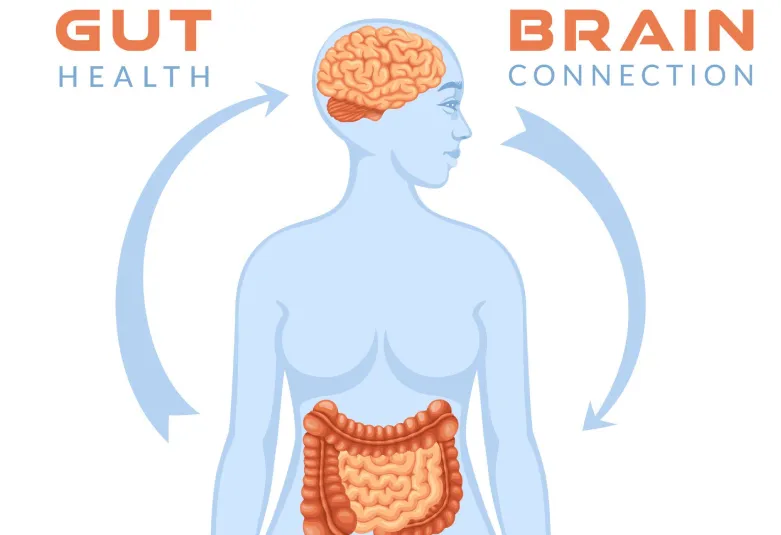
Type 2 diabetes affects over 500 million people worldwide and is one of the fastest-growing health crises of the modern era. The standard explanation focuses on lifestyle factors — excess caloric intake, physical inactivity, and obesity — driving insulin resistance and pancreatic beta cell exhaustion. While these factors are genuine contributors, a rapidly expanding body of research is pointing to a biological driver that the standard model almost completely ignores: the gut microbiome.
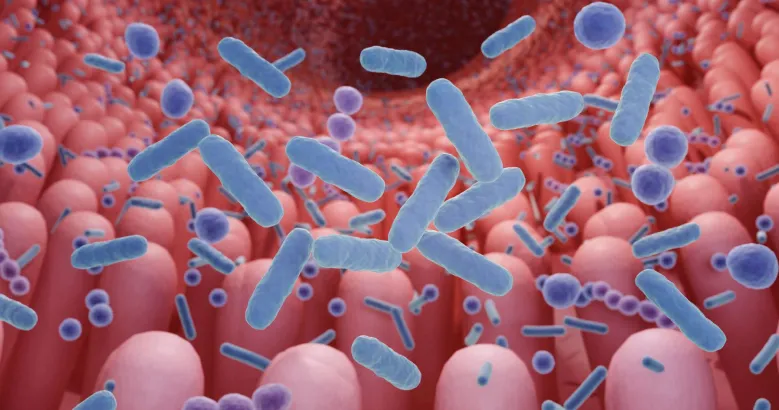
The connection between gut microbiome composition and type 2 diabetes is now one of the most robustly supported associations in metabolic research. Multiple landmark studies have documented profoundly different gut microbiome profiles in individuals with type 2 diabetes compared to metabolically healthy controls. Diabetic microbiomes consistently show reduced overall diversity, depleted populations of butyrate-producing bacteria including Faecalibacterium prausnitzii, Roseburia intestinalis, and Akkermansia muciniphila, and elevated populations of opportunistic pathogens and endotoxin-producing species.
Crucially, researchers have demonstrated that these microbiome differences are not merely associated with diabetes but appear to play a causal role. When gut microbiota from diabetic individuals are transplanted into germ-free healthy mice, the recipient animals develop insulin resistance and glucose intolerance — providing compelling evidence that the diabetic microbiome actively drives metabolic dysfunction.
The biological mechanisms through which gut dysbiosis drives insulin resistance are now well characterised. Butyrate — the short-chain fatty acid produced by beneficial gut bacteria fermenting dietary fibre — is the primary energy source for intestinal epithelial cells and plays critical roles in maintaining gut barrier integrity, reducing systemic inflammation, and improving insulin sensitivity. Butyrate activates G-protein coupled receptors on intestinal cells that stimulate GLP-1 secretion, the gut hormone that enhances insulin secretion and reduces appetite. When butyrate-producing bacteria are depleted, this protective metabolic mechanism fails.
Simultaneously, reduced gut barrier function from depleted butyrate producers allows bacterial lipopolysaccharides — the endotoxins from gram-negative bacterial cell walls — to enter the bloodstream. This metabolic endotoxaemia, first described in landmark research in 2007, activates TLR4 receptors on adipocytes and immune cells, triggering the chronic low-grade inflammation that drives insulin receptor dysfunction and progressively worsens insulin resistance.
Among the gut bacteria most powerfully associated with metabolic health is Akkermansia muciniphila — a mucin-degrading bacterium that resides in the mucus layer of the gut and maintains intestinal barrier integrity. Akkermansia abundance is consistently and markedly reduced in obesity, type 2 diabetes, and metabolic syndrome. Animal studies demonstrate that restoring Akkermansia populations reverses diet-induced insulin resistance, reduces gut permeability, and improves glucose metabolism. Human clinical trials using pasteurised Akkermansia supplementation have demonstrated improvements in insulin sensitivity, reduced metabolic endotoxaemia, and improved gut barrier function in people with metabolic syndrome.
The gut-diabetes relationship is bidirectional. Elevated blood glucose itself alters gut microbiome composition, creating a feedback loop in which hyperglycaemia worsens dysbiosis and dysbiosis worsens insulin resistance. Diets high in refined carbohydrates and ultra-processed foods that drive blood sugar spikes preferentially feed pro-inflammatory, dysbiotic bacterial species while starving the fibre-dependent beneficial populations. Breaking this cycle requires addressing both the dietary and microbial dimensions of metabolic dysfunction simultaneously.
For individuals with type 2 diabetes, prediabetes, or metabolic syndrome, comprehensive gut microbiome assessment provides biologically actionable information beyond standard metabolic panels. Identifying specific beneficial bacterial depletions — particularly butyrate producers and Akkermansia — guides targeted dietary and probiotic interventions. Measuring intestinal permeability quantifies the metabolic endotoxaemia risk from gut barrier compromise. Together, these assessments provide the metabolic-gut biological picture needed for genuinely root-cause metabolic management.
The dietary strategy most powerfully supported by microbiome-metabolic research centres on maximising dietary fibre diversity from plant sources — vegetables, legumes, wholegrains, nuts, and seeds — to feed and restore butyrate-producing bacterial populations. Reducing ultra-processed food intake and simple sugars removes the preferential substrates for pro-inflammatory dysbiotic species. Fermented food inclusion supports beneficial bacterial replenishment. These dietary changes produce measurable microbiome improvements and metabolic benefits that operate independently of and additively with blood sugar management strategies.
The gut microbiome is not a peripheral factor in type 2 diabetes — it is a central biological driver that standard diabetes management almost entirely ignores. Addressing gut health through dietary diversity, targeted probiotic strategies, and comprehensive microbiome assessment represents a genuinely root-cause approach to metabolic health that complements conventional treatment and may, for some individuals, produce transformative improvements in insulin sensitivity and glycaemic control.
Written by: Dr. Bakshi's Advance Diagnostics Team
Reviewed by: Certified Health Experts
Published: April 2026
This article is written and reviewed by the expert team at Dr. Bakshi's Advance Diagnostics, specializing in advanced diagnostic testing including gut health, food intolerance, and genetic testing.