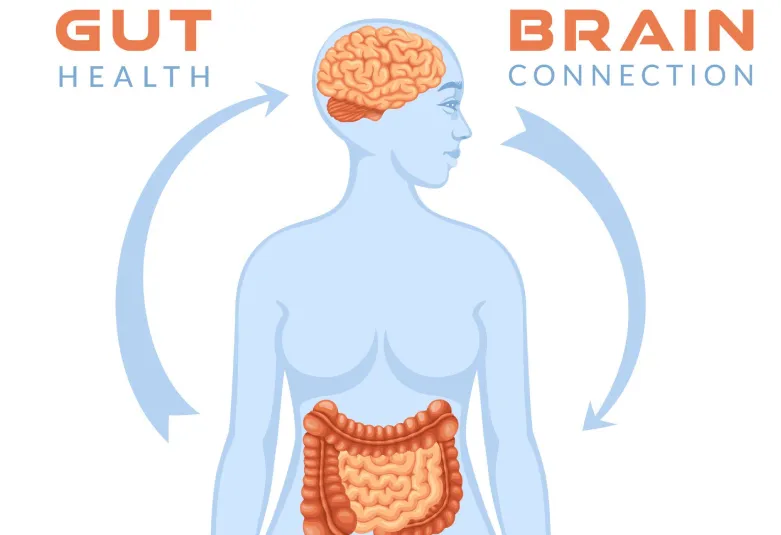
There is a reason you get butterflies before a nerve-wracking event, lose your appetite when emotionally upset, or find that your gut problems worsen during stressful periods. These are not coincidences or psychosomatic responses — they are direct evidence of one of the most important and most underappreciated communication systems in the human body: the gut-brain axis.
The gut-brain axis is the bidirectional communication network connecting the gastrointestinal system and the central nervous system. This network operates through four primary channels that together create a continuous, real-time dialogue between gut and brain.
The vagus nerve is the most direct channel — a cranial nerve containing approximately 100,000 nerve fibres running from the brainstem to the abdomen, carrying sensory information from gut to brain and motor signals from brain to gut. Crucially, around 90 percent of vagal fibres carry information upward from the gut to the brain, making the gut a more important sensory input to the brain than the brain is a controller of the gut.
The enteric nervous system — often called the second brain — is an autonomous neural network embedded in the gut wall containing over 500 million neurons. This system can regulate gut function independently of the central nervous system, processing sensory information and coordinating digestive responses. The enteric nervous system communicates with the central nervous system through the vagus nerve and through neuroendocrine signalling.
The gut-immune axis represents the third communication channel. Approximately 70 to 80 percent of the body's immune tissue is located in the gut, and gut microbiome composition powerfully regulates immune function. The immune system communicates with the brain through cytokine signalling, influencing mood, cognition, and behaviour through neuroinflammatory pathways.
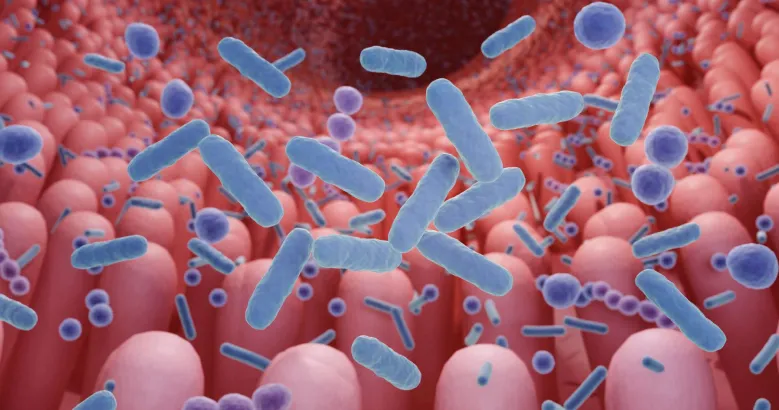
The gut microbiome itself represents the fourth — and most recently discovered — dimension of gut-brain communication. Gut bacteria produce neurotransmitters and neurotransmitter precursors directly, regulate the hormones and inflammatory mediators that reach the brain through the bloodstream, and modulate vagal signalling through their metabolic products.
The gut microbiome's contribution to brain chemistry is staggering in its scale. Ninety to ninety-five percent of the body's entire serotonin supply is produced in the gut by enterochromaffin cells stimulated by gut bacteria. Serotonin synthesised in the gut influences the enteric nervous system and, through its effects on gut physiology, influences mood, anxiety, and cognitive function through gut-to-brain vagal signalling.
GABA — the brain's primary calming neurotransmitter — is produced by Lactobacillus and Bifidobacterium species through the enzymatic conversion of glutamate. When these beneficial bacteria are depleted through gut dysbiosis, GABA production falls, reducing the inhibitory tone that normally prevents anxiety and hyperarousal.
Short-chain fatty acids produced from dietary fibre fermentation — particularly butyrate — cross the blood-brain barrier and stimulate production of brain-derived neurotrophic factor, the brain's primary growth factor for neuroplasticity, learning, and mood regulation. Gut-derived butyrate is one of the most powerful natural stimulants of BDNF production available — dependent entirely on adequate dietary fibre feeding diverse gut bacterial communities.
When gut dysbiosis disrupts these neurochemical production systems, the consequences are neurological as much as digestive. Reduced serotonin production from depleted gut bacteria contributes to the mood difficulties, sleep disruption, and anxiety of serotonin deficiency states. Reduced GABA from depleted Lactobacillus populations increases anxiety and hyperarousal vulnerability. Reduced butyrate from depleted fibre-fermenting bacteria reduces BDNF, impairing the neuroplasticity that underlies mood resilience and cognitive adaptability.
This is why treating depression and anxiety without addressing gut health is addressing the river downstream of the source. The neurochemical substrate of mental health is being continuously manufactured in the gut, and no amount of neurochemical manipulation downstream can substitute for restoring the upstream biological factory.
The gut-brain axis is bidirectional, and this creates feedback loops that explain why health problems compound. Chronic psychological stress activates the sympathetic nervous system and HPA axis, producing cortisol and adrenalin that directly alter gut microbial community composition within days,increase gut permeability, reduce secretory IgA, and suppress the parasympathetic gut activity required for healthy digestion. These stress-driven gut changes worsen dysbiosis, which impairs neurotransmitter production, which worsens mood and stress resilience, which generates more stress, which further damages the gut. Breaking this feedback loop requires understanding it — and addressing it from both ends simultaneously
The gut-brain axis is not a fringe concept but an established biological reality with profound implications for how we understand and address health. Many of the health problems that modern medicine treats as separate conditions — depression, IBS, anxiety, chronic fatigue, skin disorders, and autoimmune conditions — share a common biological root in gut microbiome disruption and gut-brain axis dysfunction. Comprehensive gut microbiome assessment is the investigation that reveals this root and opens the path to genuine root-cause health improvement.
Written by: Dr. Bakshi's Advance Diagnostics Team
Reviewed by: Certified Health Experts
Published: April 2026
This article is written and reviewed by the expert team at Dr. Bakshi's Advance Diagnostics, specializing in advanced diagnostic testing including gut health, food intolerance, and genetic testing.