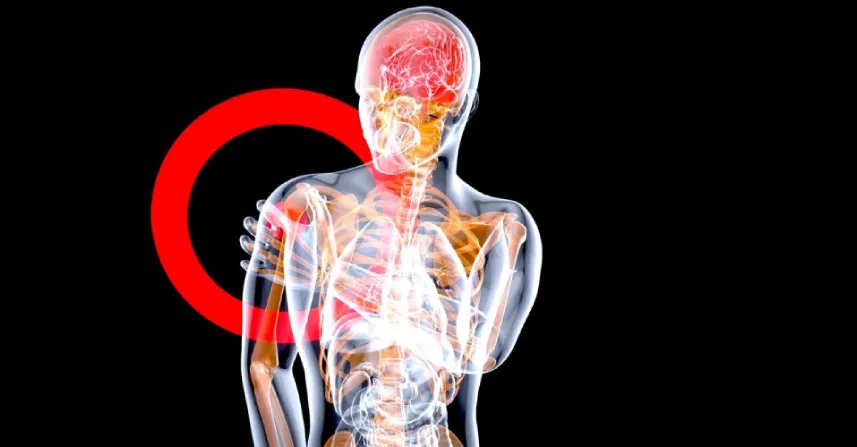
Brain fog is one of the most commonly reported yet most inadequately investigated health complaints in modern medicine. The term describes a constellation of cognitive symptoms — mental cloudiness, difficulty concentrating, forgetfulness, slow thinking, and reduced mental clarity — that significantly impair daily function and quality of life. Yet most people who see a doctor about brain fog are told their tests are normal and given no biological explanation for their experience.
The reality is that brain fog is always caused by something measurable and frequently something treatable. It is not a character flaw, a psychological weakness, or an inevitable consequence of a busy life. It is a symptom of biological dysfunction that comprehensive testing can identify. Here are the seven most important root causes of brain fog and how each can be investigated.
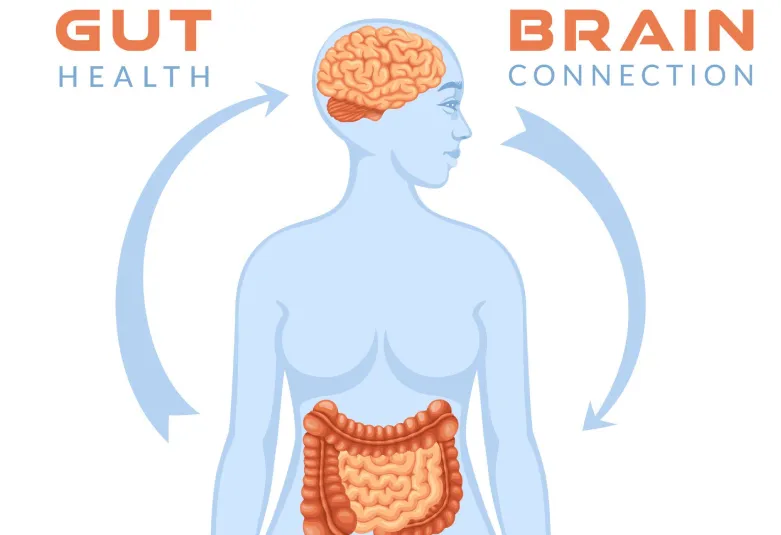
The gut microbiome is the most underappreciated driver of cognitive function. Gut bacteria produce the neurotransmitter precursors, anti-inflammatory metabolites, and brain-derived neurotrophic factor that maintain neurological health. When gut dysbiosis depletes beneficial populations and increases inflammatory bacterial species, the consequences include neuroinflammation from gut-derived endotoxins, reduced serotonin and dopamine precursor production, and impaired BDNF production from butyrate deficiency. Each of these mechanisms directly impairs cognitive clarity.
Comprehensive gut microbiome testing — measuring bacterial diversity, specific beneficial and pathogenic populations, short-chain fatty acid production, and intestinal permeability — identifies the microbial drivers of neuroinflammatory brain fog.
Chronic immune activation from unidentified IgG food sensitivities drives neuroinflammation through systemic cytokine production that crosses the blood-brain barrier and impairs prefrontal function. The pattern of brain fog worsening after specific meals — typically those containing the reactive foods — is a clinically important diagnostic clue. IgG food sensitivity testing identifies reactive foods and the improvement in cognitive clarity following their elimination provides both diagnosis and treatment.
Dopamine and noradrenalin are the primary neurotransmitters governing prefrontal cognitive function — working memory, sustained attention, processing speed, and cognitive flexibility. Their deficiency produces the characteristic brain fog of motivational and attentional ADHD-like cognitive impairment. Serotonin deficiency contributes cognitive fog through disrupted sleep architecture and the rumination and worry that consume attentional resources. Comprehensive neurotransmitter testing identifies which specific deficiencies are driving the cognitive symptoms.
Sub-optimal thyroid function — even within the conventional normal TSH range — produces cognitive slowing, poor memory, difficulty with word retrieval, and the characteristic mental heaviness of hypothyroidism. Free T3 deficiency, rather than TSH or T4 alone, is the most sensitive indicator of functionally insufficient thyroid hormone activity. Full thyroid panel assessment including TSH, free T4, free T3, and thyroid antibodies provides the complete picture.
Chronically elevated cortisol from HPA axis activation impairs hippocampal function — damaging the brain region most critical for memory consolidation and spatial cognition. Cortisol excess reduces BDNF, promotes neuroinflammation, and disrupts the sleep architecture essential for cognitive restoration. Four-point salivary cortisol testing revealing the daily cortisol rhythm pattern provides the most clinically informative assessment of HPA-driven cognitive impairment.
Histamine excess in the central nervous system — from dietary histamine overload, gut bacterial histamine production, or DAO enzyme deficiency — disrupts the normal balance of histaminergic signalling that maintains optimal cognitive arousal. The brain fog of histamine intolerance is characteristically worse after high-histamine meals — red wine, aged cheese, fermented foods — and accompanies other histamine symptoms including headaches, flushing, and nasal congestion. DAO enzyme activity testing confirms histamine metabolism impairment.
B vitamins — particularly B12, B6, and folate — are essential cofactors for neurotransmitter synthesis, myelin maintenance, and one-carbon metabolism critical for cognitive function. B12 deficiency produces characteristic cognitive symptoms including poor memory, mental fogginess, and reduced processing speed. Iron deficiency impairs the iron-dependent enzymes of dopamine and serotonin synthesis. Omega-3 DHA deficiency reduces neuronal membrane fluidity and receptor function. Comprehensive nutritional assessment identifying these correctable deficiencies provides a direct and actionable cognitive improvement pathway.
For most individuals with persistent brain fog, multiple root causes are operating simultaneously and reinforcing each other. Gut dysbiosis impairs neurotransmitter production, which worsens sleep, which impairs cortisol regulation, which drives neuroinflammation, which worsens cognitive function. This interconnected pattern means that comprehensive assessment across multiple biological systems — rather than investigation of one system at a time — provides the most complete picture and the most effective treatment pathway.
Brain fog is not a mystery — it is a biological signal from a system under strain. The seven root causes outlined here are all measurable, and most are significantly treatable. If your cognitive difficulties have been dismissed as stress or written off as normal, comprehensive biological testing is the investigation that transforms vague cognitive complaints into specific, actionable diagnoses.
Written by: Dr. Bakshi's Advance Diagnostics Team
Reviewed by: Certified Health Experts
Published: April 2026
This article is written and reviewed by the expert team at Dr. Bakshi's Advance Diagnostics, specializing in advanced diagnostic testing including gut health, food intolerance, and genetic testing.